
In the used car business, there’s a common belief: “Always be a buyer.” After all, your gross is often made on the purchase. But in today’s market, more isn’t always better — and for many dealerships, buying more inventory right now might actually be slowing down sales and hurting profitability.
The Problem with Overbuying
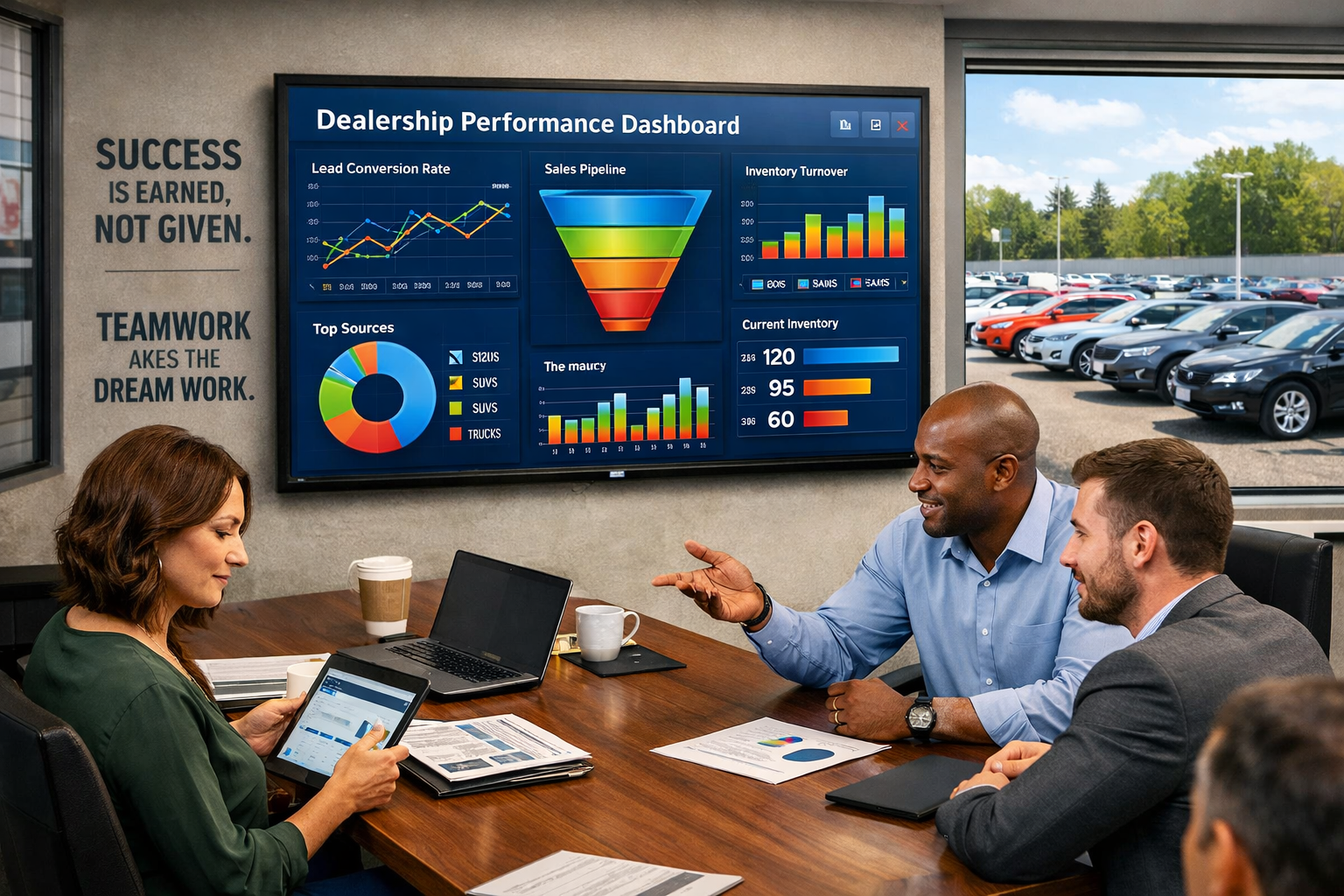
If you’re only selling 60 or 70 cars a month, why are you carrying 150 units? Many dealers justify overbuying because some vehicles are tied up in transportation or service. While that may be true, it’s rarely a good reason to stock far more than you’re selling.
When your retail sales pace is slowing, adding more inventory doesn’t necessarily create more sales. In fact, it can lead to aging units, heavier floor plan expenses, and lower grosses as you’re forced to discount older vehicles to move them.
Understanding Market Seasonality
The Shopper Index — a measure of consumer searches for used cars — follows a predictable annual pattern. It peaks during tax season, dips in spring, rises again in mid-summer, and then falls steadily through the end of the year.
Right now, shopper activity is already on the downswing. Last year, after the August peak, sales volume dropped significantly for dealers all the way through November and December. This year, we’re seeing the same trend — but with more cars on the market and fewer shoppers than in any of the past five years.
In short: demand is falling while supply is rising. That’s a recipe for higher days-to-sell and tighter margins.
Know Your True Sell Rate
One of the best ways to decide whether to buy is to look at your sell rate by acquisition type — specifically, purchases versus trade-ins.
If your dealership sells 50% of trade-ins within two weeks but only 30% of purchased inventory in the same timeframe, your problem isn’t lack of inventory — it’s that your purchased units aren’t turning quickly enough.
Before buying more, ask:
- Is this a lead problem?
- Is my pricing competitive?
- Do I have the right inventory mix?
- Are my photos and merchandising strong enough?
Always Be a Buyer — But Be Strategic
Jasen Rice isn’t telling dealers to stop buying altogether. In fact, the ability to acquire the right cars at the right price is still a huge competitive advantage — especially if you can wholesale profitably or take advantage of private-party purchases.
The key is buying only when your current inventory is moving. If your sell rate is strong, you’re clean on aged units, and wholesale prices dip, that’s the time to be aggressive. But buying just to “throw more cars at” a slow market rarely works — especially when retail demand is dropping.
Action Steps for Dealers Right Now
- Measure your sell rate for purchased vs. trade-in units.
- Slow down buying if purchased units aren’t moving.
- Fix the bottlenecks — leads, pricing, inventory mix, or merchandising — before acquiring more stock.
- Watch wholesale trends and be ready to buy aggressively when prices fall and your lot is clean.
- Avoid the summer hangover — don’t get stuck with high-cost units from peak season when prices drop in fall.
Bottom line: The smartest dealers aren’t just “always buying” — they’re always buying strategically. Move your current inventory faster, free up capital, and position yourself to buy at the right time. That’s how you win in a slowing market.